Cocofiber
Coconut coir fibre in bales, for mattress, geotextile, erosion control and composite producers.
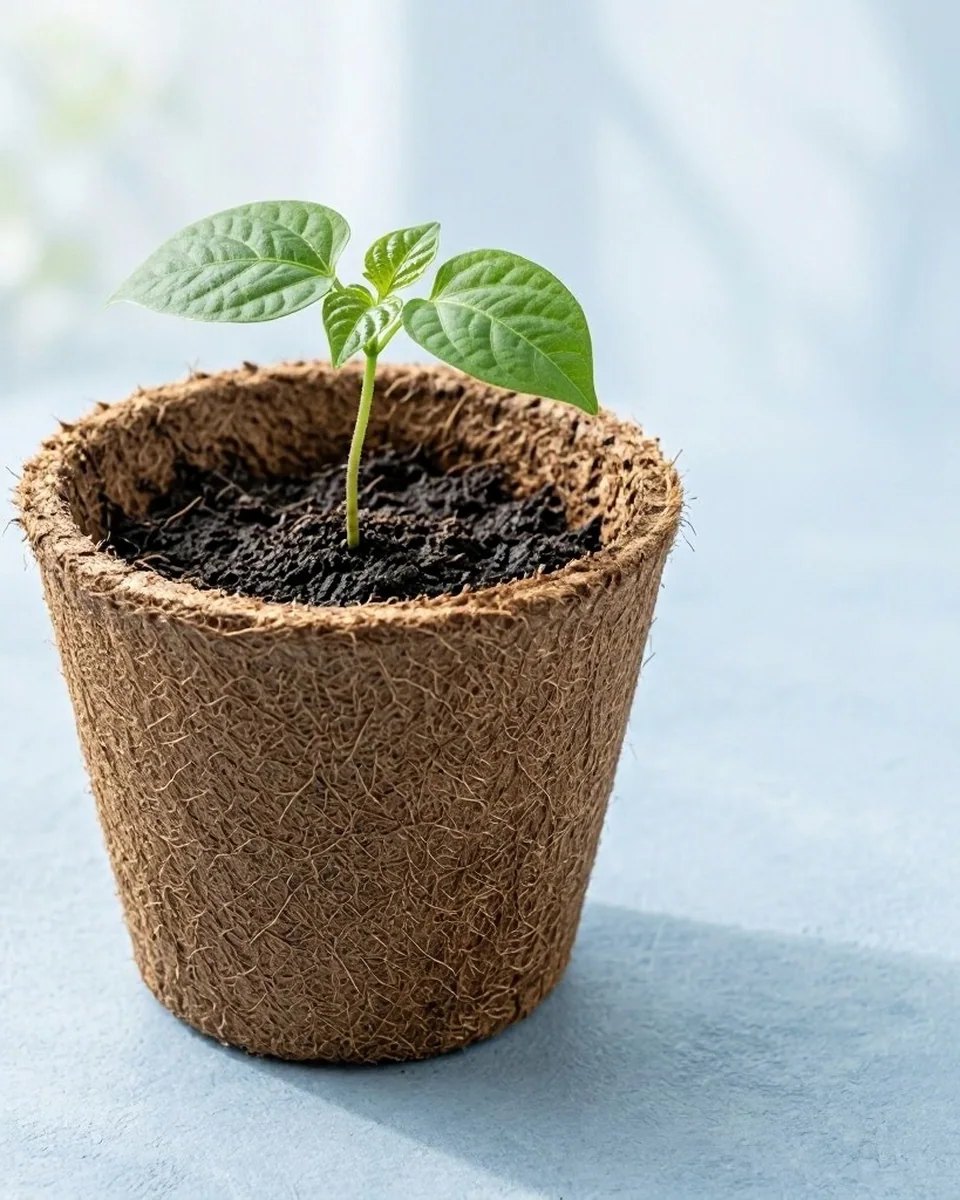
Coconut coir fibre in bales, loading from Surabaya. The same husk that produces cocopeat produces this: pith on one side, fibre on the other.
There are no figures on this page because fibre length, moisture, impurity and bulk density are not yet confirmed in a supplier document. For fibre those four numbers are the whole product — a bale of long clean fibre and a bale of short fibre with pith in it are different commodities that share a name.
What separates one bale from another
Fibre length. Long fibre goes into mattresses and geotextiles. Short fibre goes into erosion control and composites. Buyers who do not specify length get whatever was left.
Impurity. Pith and dust mixed into the fibre add weight and subtract value. It is the most common way a cheap bale is cheap.
Moisture. Fibre is sold by weight, and water is not fibre.
Bulk density. Decides how much actually fits in a container, which is the number that turns a price per tonne into a price per shipment.
Coir fiber in bulk
Bales are the export format, typically 80–120 kg, strapped and palletised or floor loaded. Fibre is light, so a container fills by volume well before it reaches its weight limit — the opposite of charcoal and the reason a per-tonne comparison between the two is meaningless.
Tell us the end use and we will tell you which bale grade fits it.
Mattress and upholstery
Long fibre for rubberised coir and mattress pads.
Geotextile and erosion control
Woven blankets and logs for slope stabilisation.
Brush and broom manufacture
Stiff fibre for traditional and industrial brush making.
Composite board
Fibre input for pressed board and insulation panels.
Packaging format confirmed with your quotation.
Loading from Surabaya.
Loading weight is confirmed per order, because it depends on packaging and on whether the container is mixed.
The document set is confirmed with your quotation. Charcoal shipments always carry a Dangerous Goods Declaration and MSDS, because charcoal moves as UN 1361, Class 4.2.
What is the difference between cocofiber and coir fiber?
Why are there no figures on this page yet?
What decides the price?
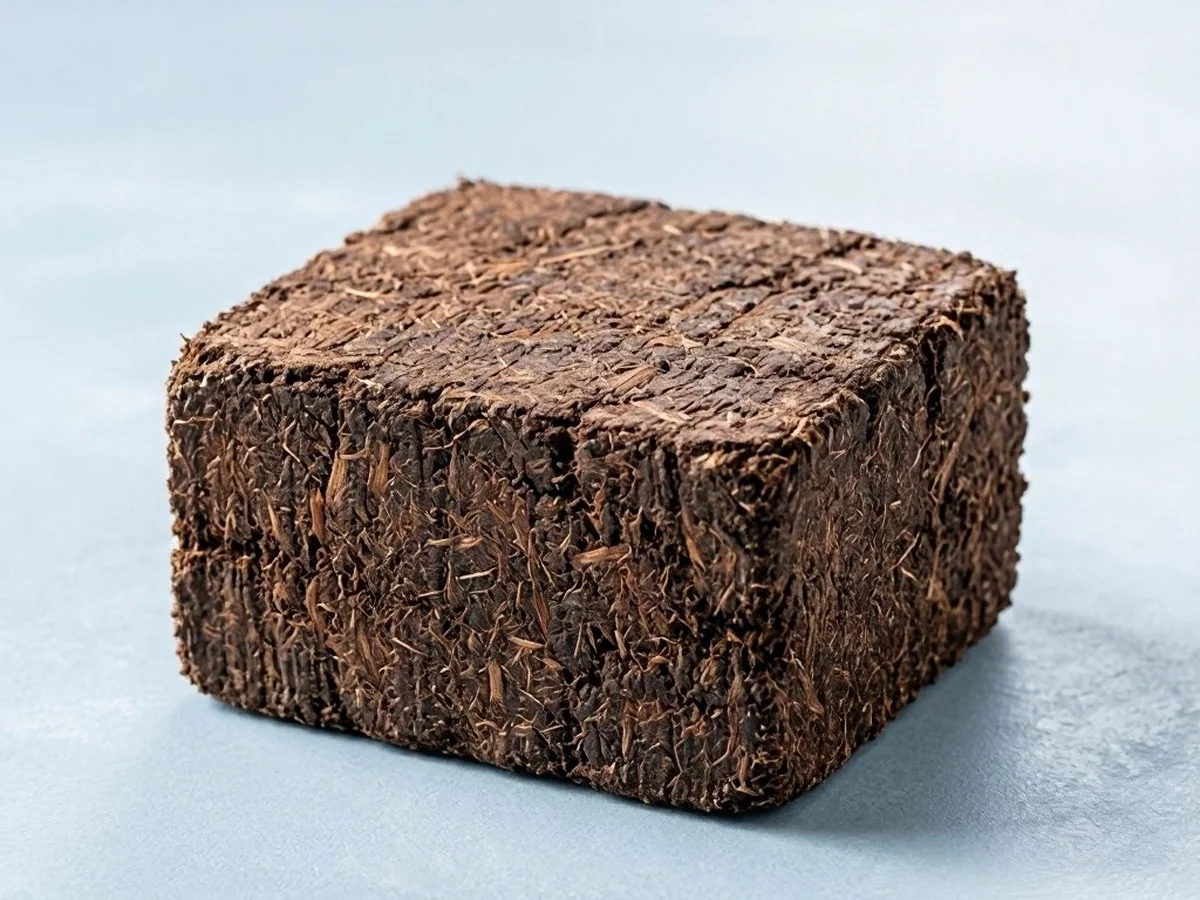
Cocopeat
EC and pH decide it. A high-salt block burns a seedling before it roots.
Spec sheet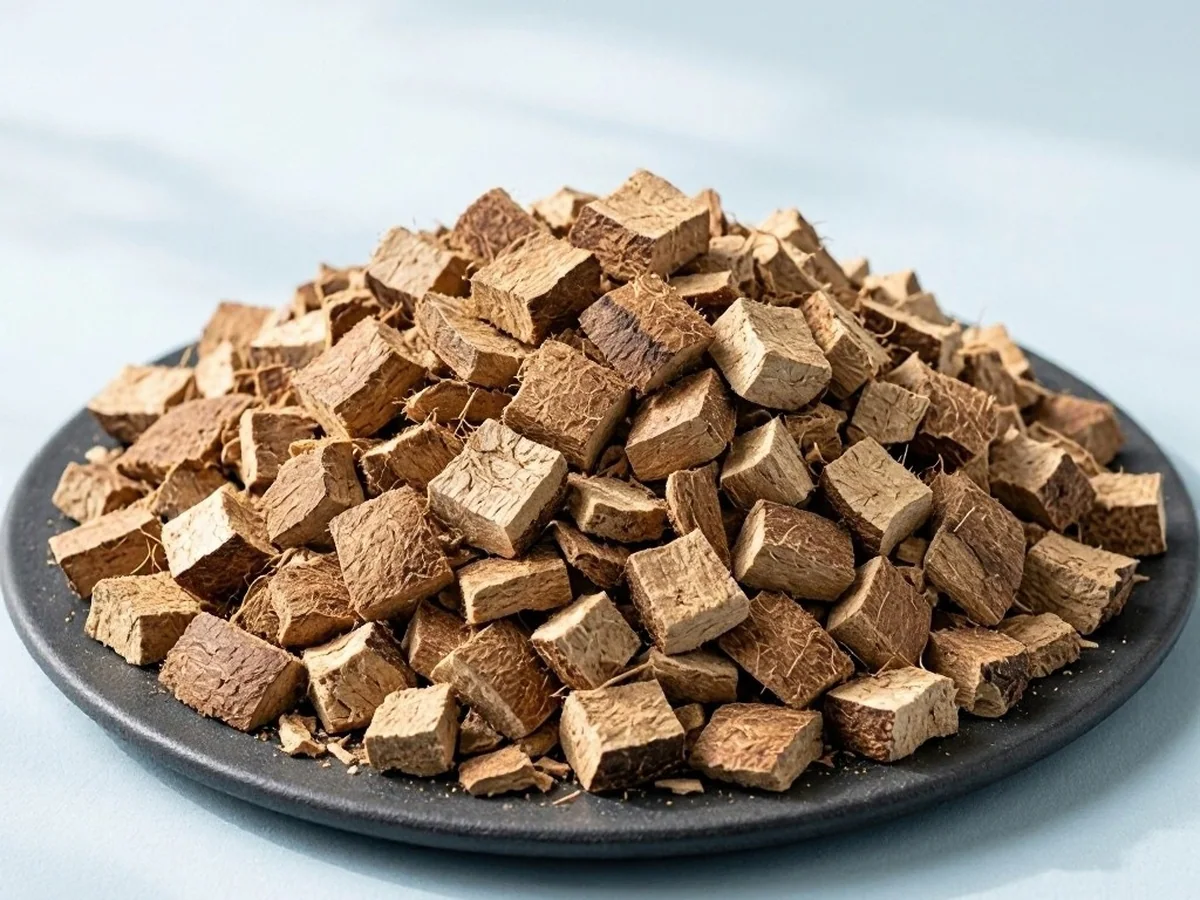
Coco Chips
Chip size uniformity and moisture decide it, because the chips are a mulch and a substrate at once.
Spec sheet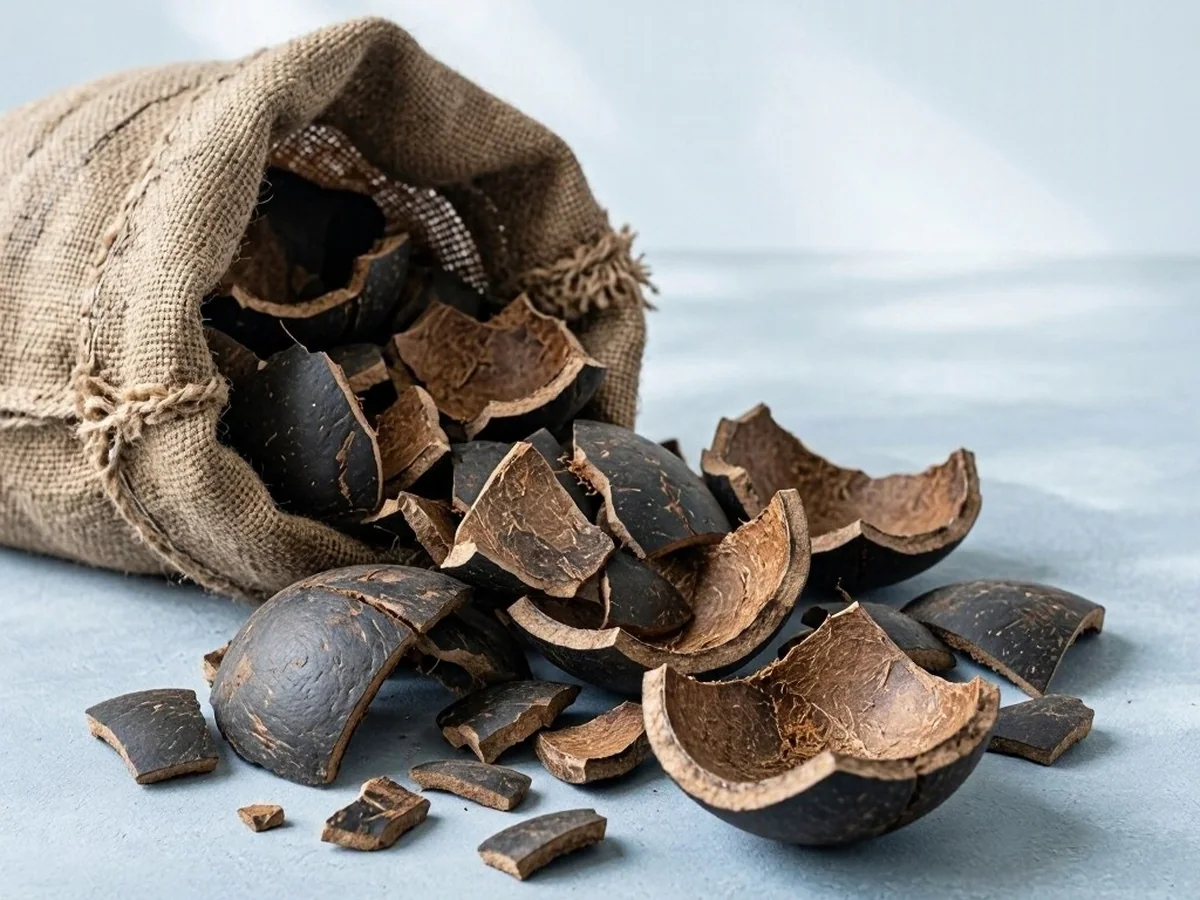
Dry Coconut Shell
Moisture and cleanliness decide it; the shell is bought by weight to be carbonised somewhere else.
Spec sheetTell us your spec and volume
Send the grade, the quantity and the destination port. We reply with an FOB quote and the current COA.