The specification is tested before the container is booked
Most export disputes are not about price. They are about a number on a certificate that does not match the number in the buyer’s laboratory. This page describes what we do to prevent that, and what paperwork travels with the goods.
Document first
Before a sample is sent, the mill provides its current specification and test report. A lot with no report behind it is not quoted, however good the price looks.
Sample against the sheet
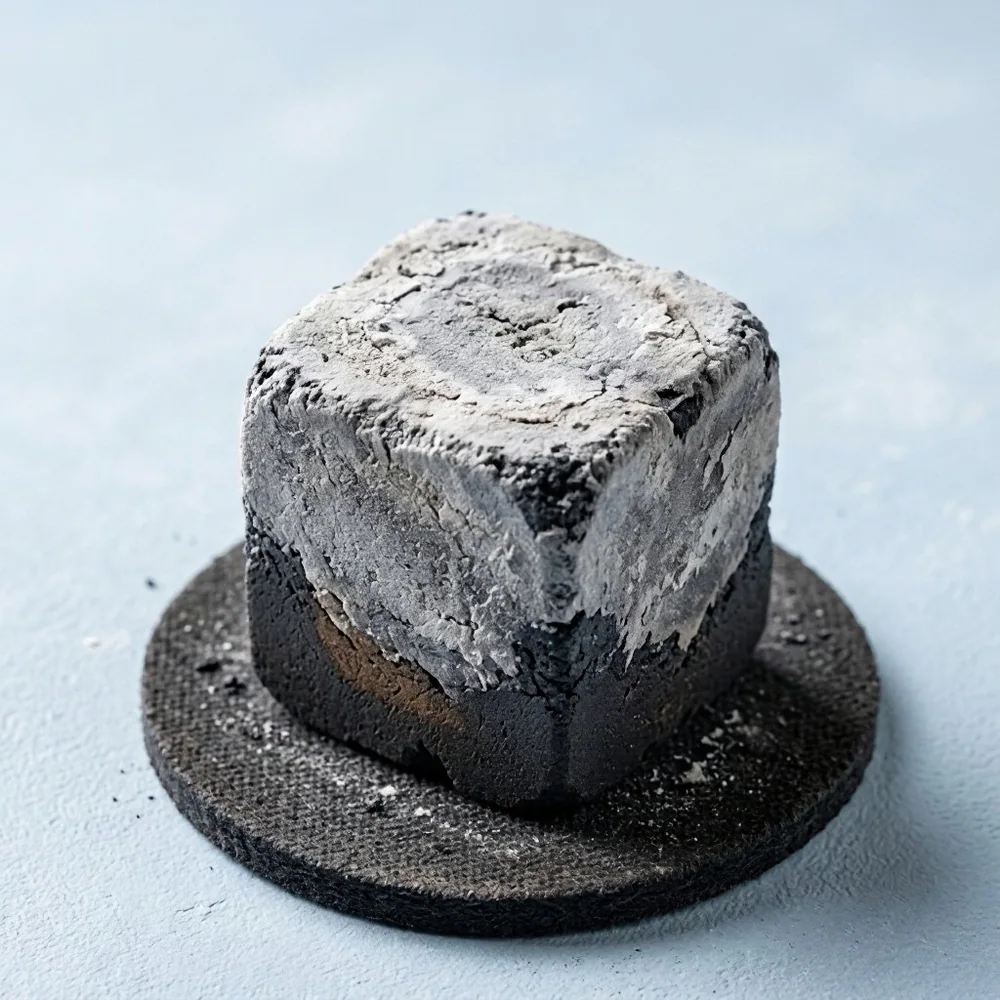
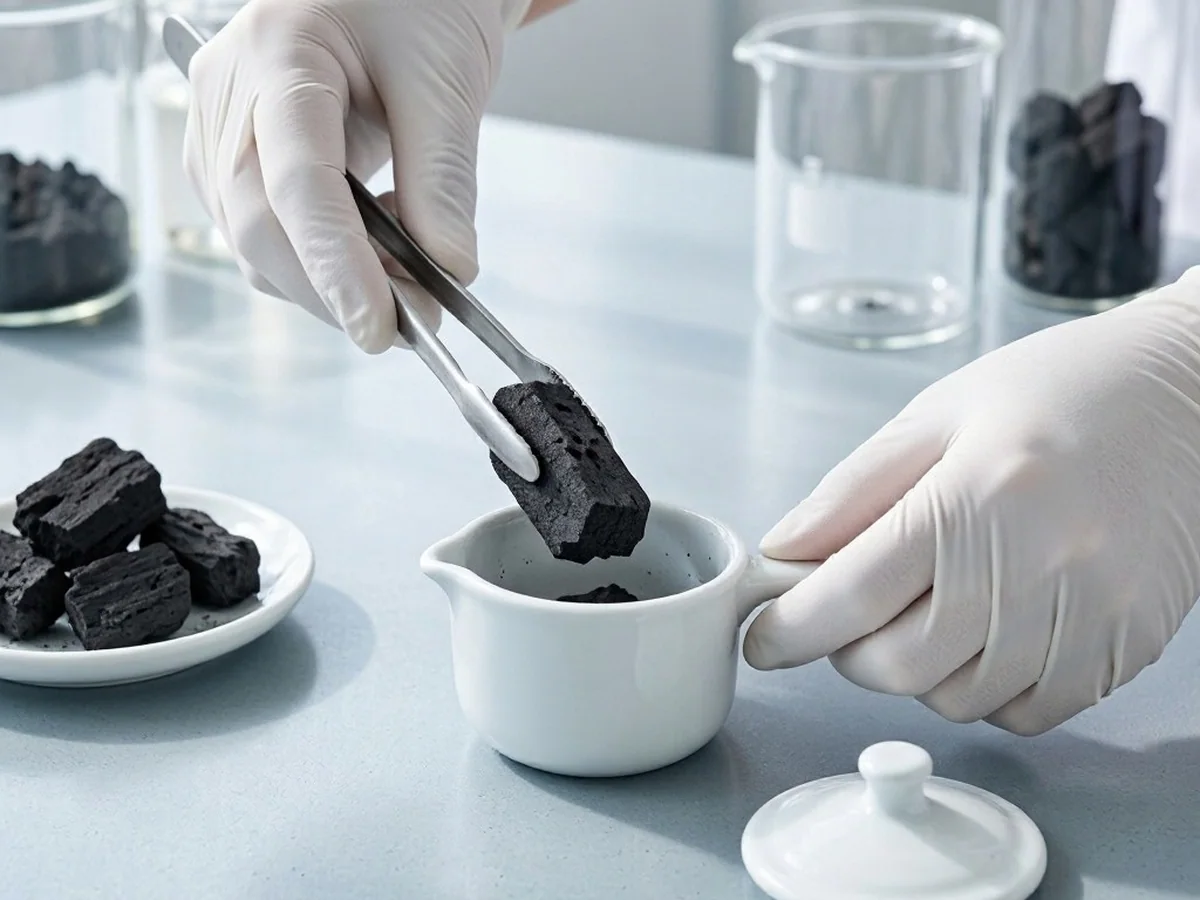
The sample is checked against the document, not against a description. For charcoal that means moisture, ash, volatile matter and fixed carbon from one sample.
Third-party test where it matters
Charcoal specification is measured on as-received basis by SUCOFINDO against ASTM D1762. Food lots require a microbiological panel and an aflatoxin result before a shipment date is booked.
Documents issued per shipment
The document set is produced for each container rather than once a year. A COA that covers the batch you bought is the only kind worth having.
Nine documents travel with a charcoal container
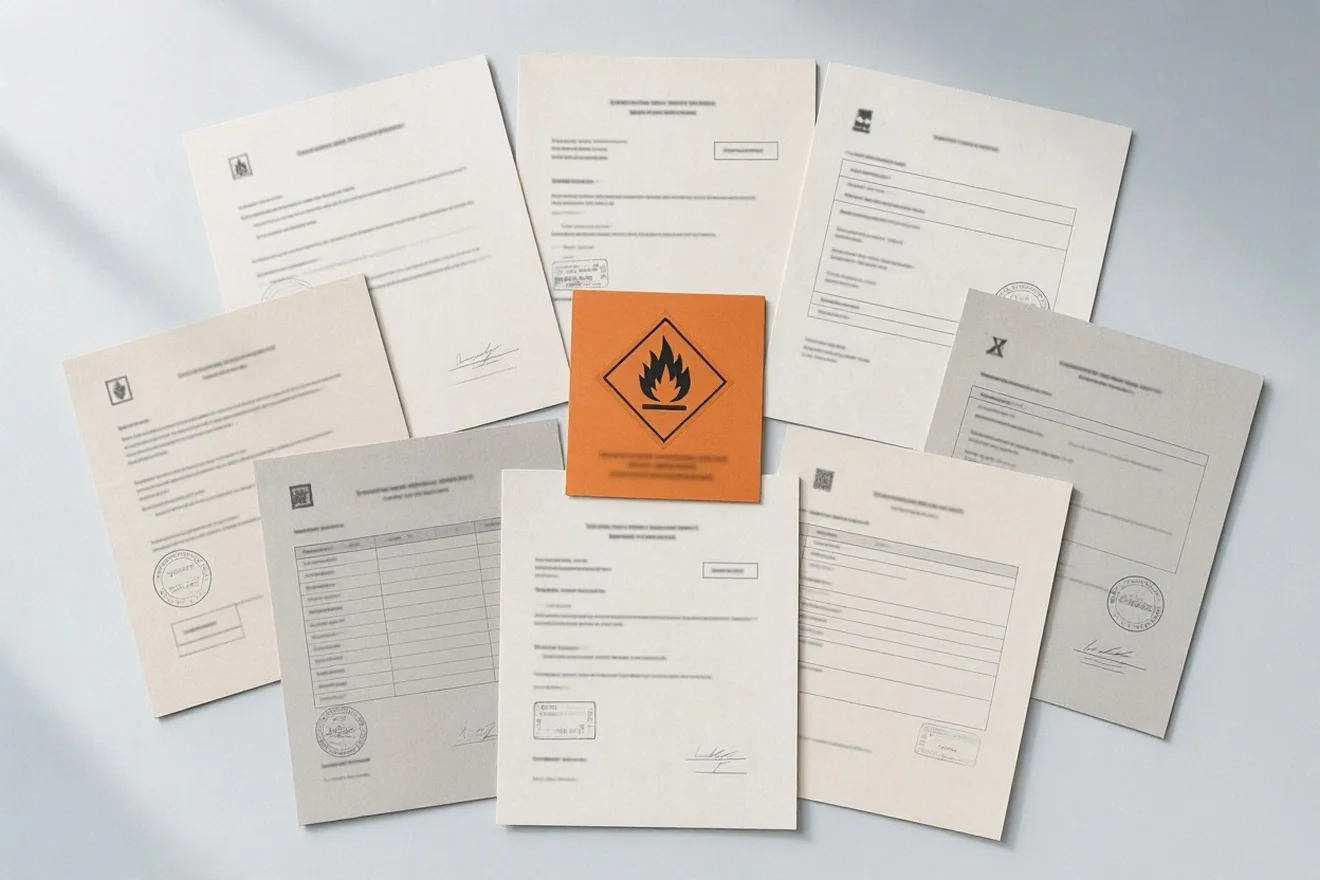
Signed commercial invoice
Value, terms and HS code as declared to customs.
Signed packing list
What is inside the container, by package and weight.
Certificate of Origin
Issued for the shipment, used for preferential tariff where applicable.
Bill of Lading
Original or telex release, issued after full payment.
Fumigation certificate
Requested by most destinations for charcoal and plant material.
Dangerous Goods Declaration
Charcoal is UN 1361, Class 4.2. Required for the booking, not optional.
Material Safety Data Sheet
Handling and stowage information for the carrier and the consignee.
Certificate of Analysis
Per batch. This is the document your own laboratory will be compared against.
Insurance certificate
CIF shipments only, ICC C at 110% of invoice value.
The insurance certificate applies to CIF shipments. On FOB terms the list is eight documents, because insurance is the buyer’s arrangement. Sample COA and packing list are available on request, with commercial details removed.
Why the DGD matters more than it looks
Charcoal is classified UN 1361, Class 4.2 — a substance liable to spontaneous combustion. Shipping lines refuse the booking without a Dangerous Goods Declaration and an MSDS, and a container turned away at the terminal costs more than the paperwork ever would. Buyers new to charcoal usually discover this late.
Certification depends on the partner
We are an export desk. Organic, halal, HACCP or EUDR documentation is held by the mill that produces the lot, not by us, so it is confirmed per product and per shipment rather than promised on a page like this one. Ask, and we will tell you which partner holds what.