Cocopeat for hydroponics, and the numbers growers test
Coir is the peat substitute that behaves most like peat, which is why European demand has grown faster than the supply of genuinely low-EC material. The product is easy to describe and hard to buy well.
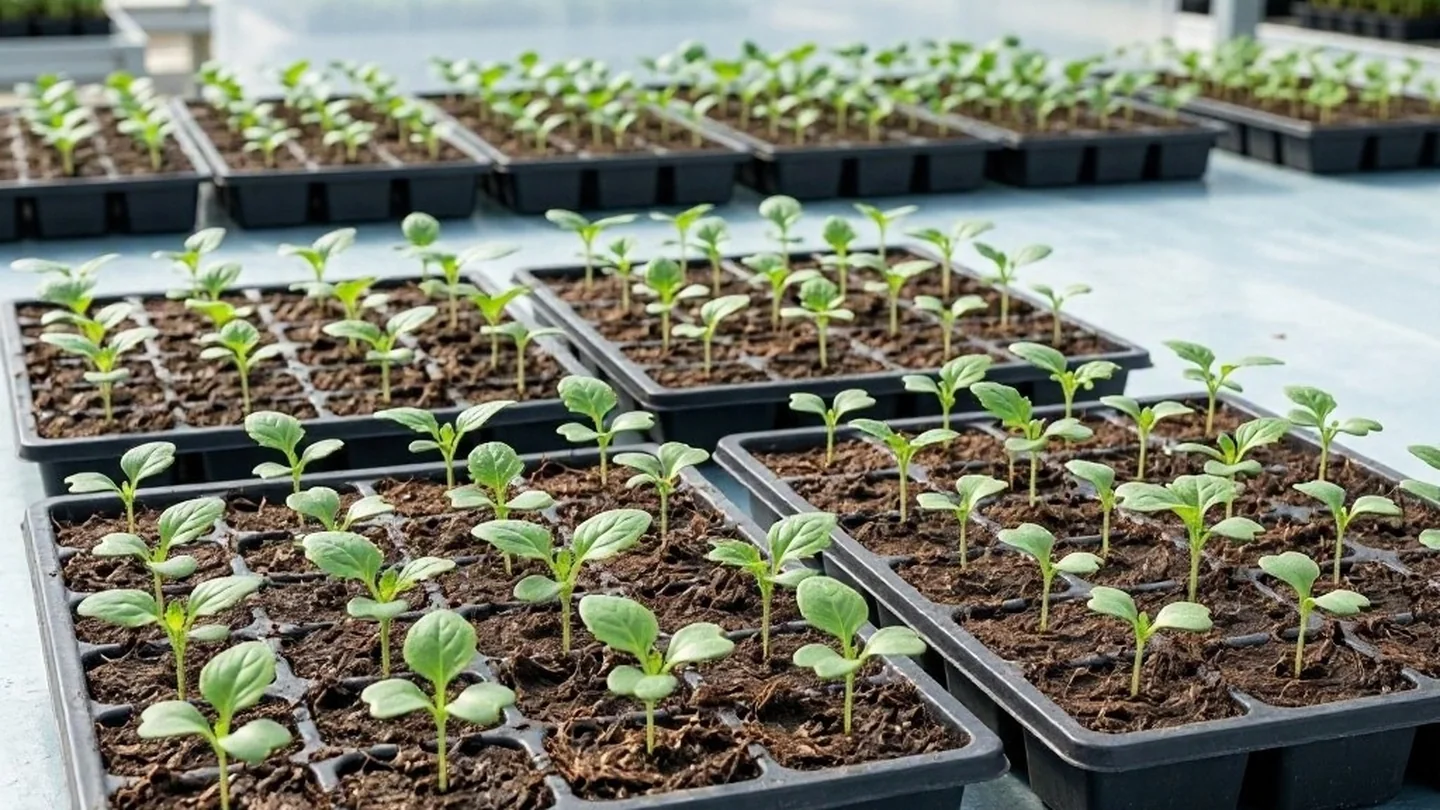
Five parameters, in the order they matter
EC (dS/m)
The salt left in the pith after washing. It decides whether the material can be used for propagation at all, and it is the first number a European grower asks for.
pH
Usually narrow, but it moves with the washing water and with the age of the stock. A drifting pH shows up as a nutrient problem three weeks later.
Expansion
How much loose material a compressed block actually yields. A block that under-delivers raises the freight cost per litre of finished substrate.
Compression
A block that crumbles in transit arrives as dust and cannot be re-compressed at the destination.
Chip size
For chips, size is the specification. A 5 mm chip and a 30 mm chunk share a name and behave nothing alike.
Washed or unwashed
Washing lowers EC and raises cost. For seedling and propagation work, unwashed material is not a saving, it is a failed tray. For established plants or for blending, the cheaper grade is often the correct choice.
Why the peat phase-out matters
European growers have been moving off peat for reasons that have nothing to do with price. That shift created demand for coir at a specification most suppliers cannot document. Publishing a verified EC is a commercial advantage, not a formality.
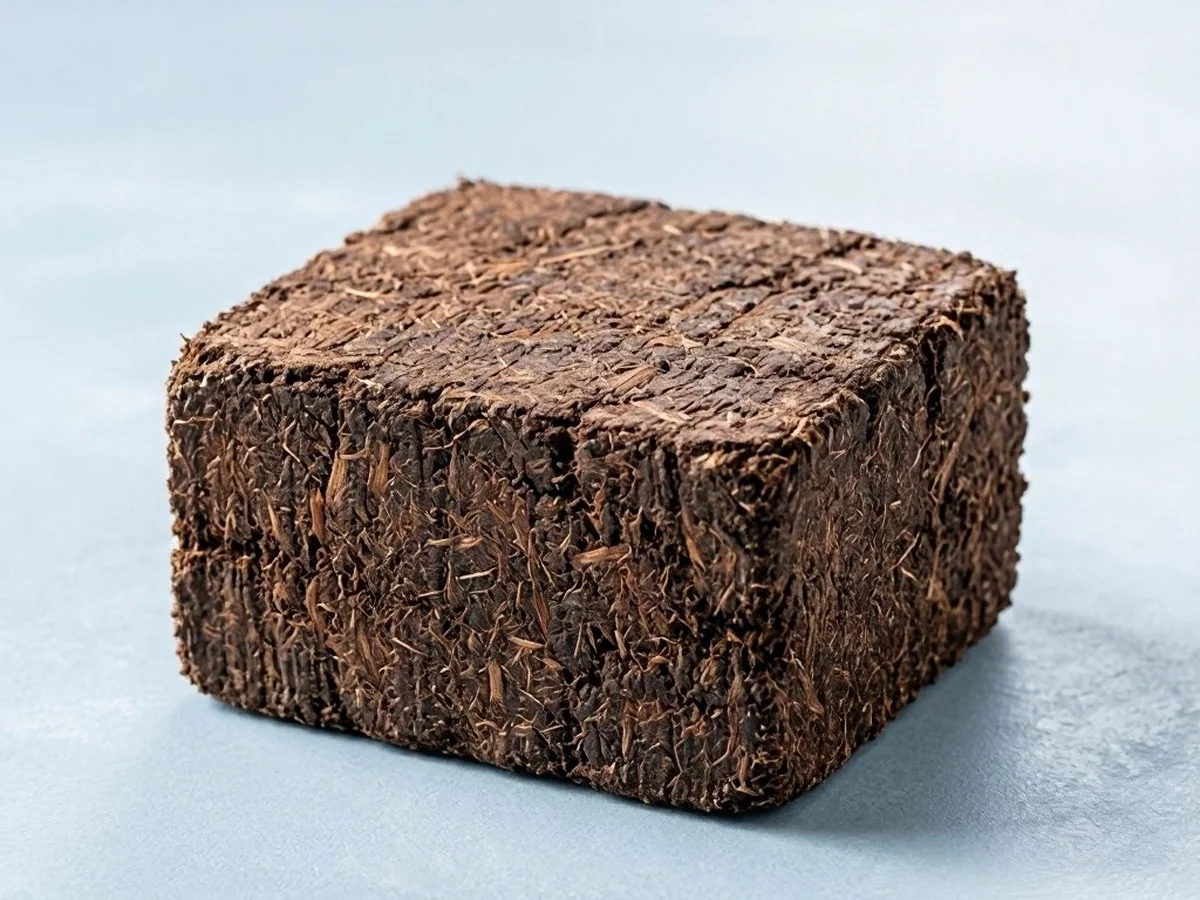
Cocopeat
EC and pH decide it. A high-salt block burns a seedling before it roots.
Spec sheet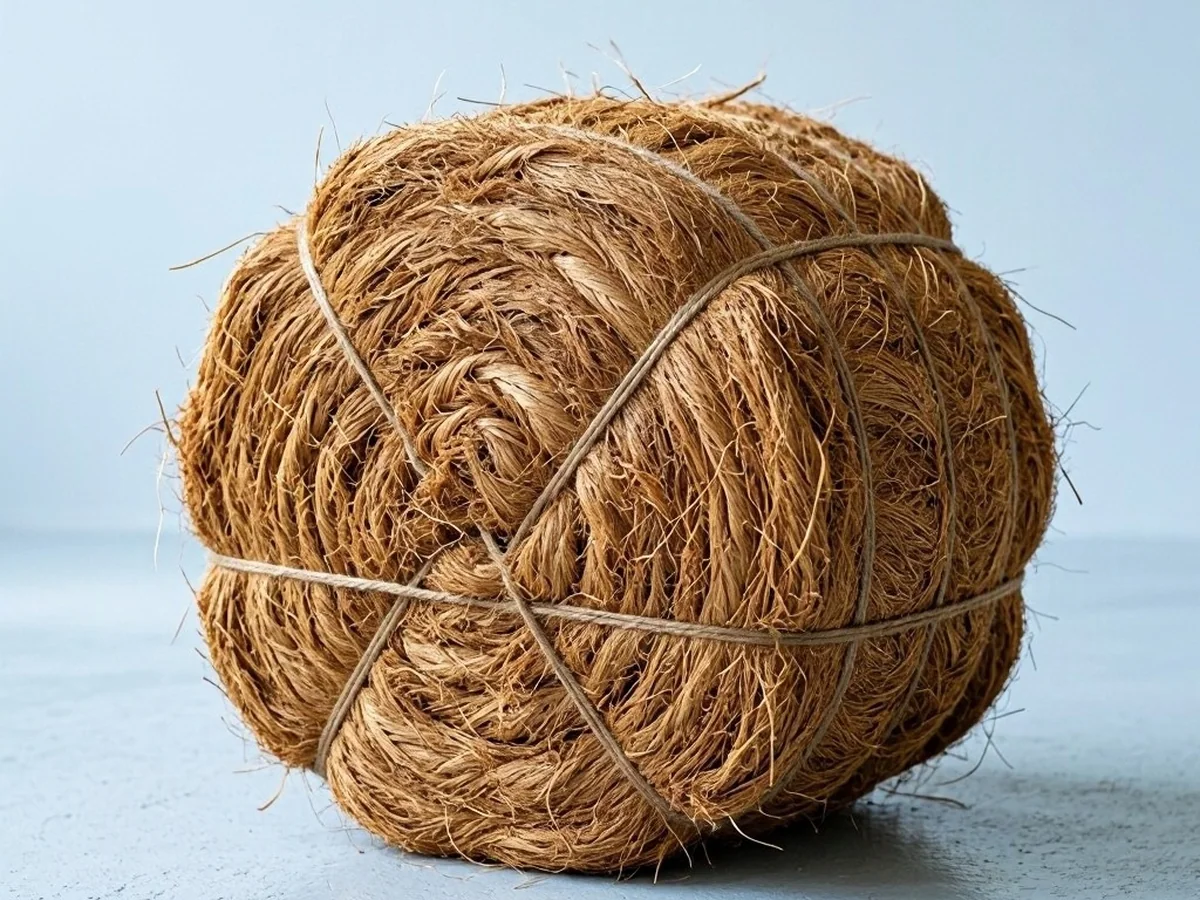
Cocofiber
Fibre length and pith content decide it, and both are visible in the bale rather than on a certificate.
Spec sheet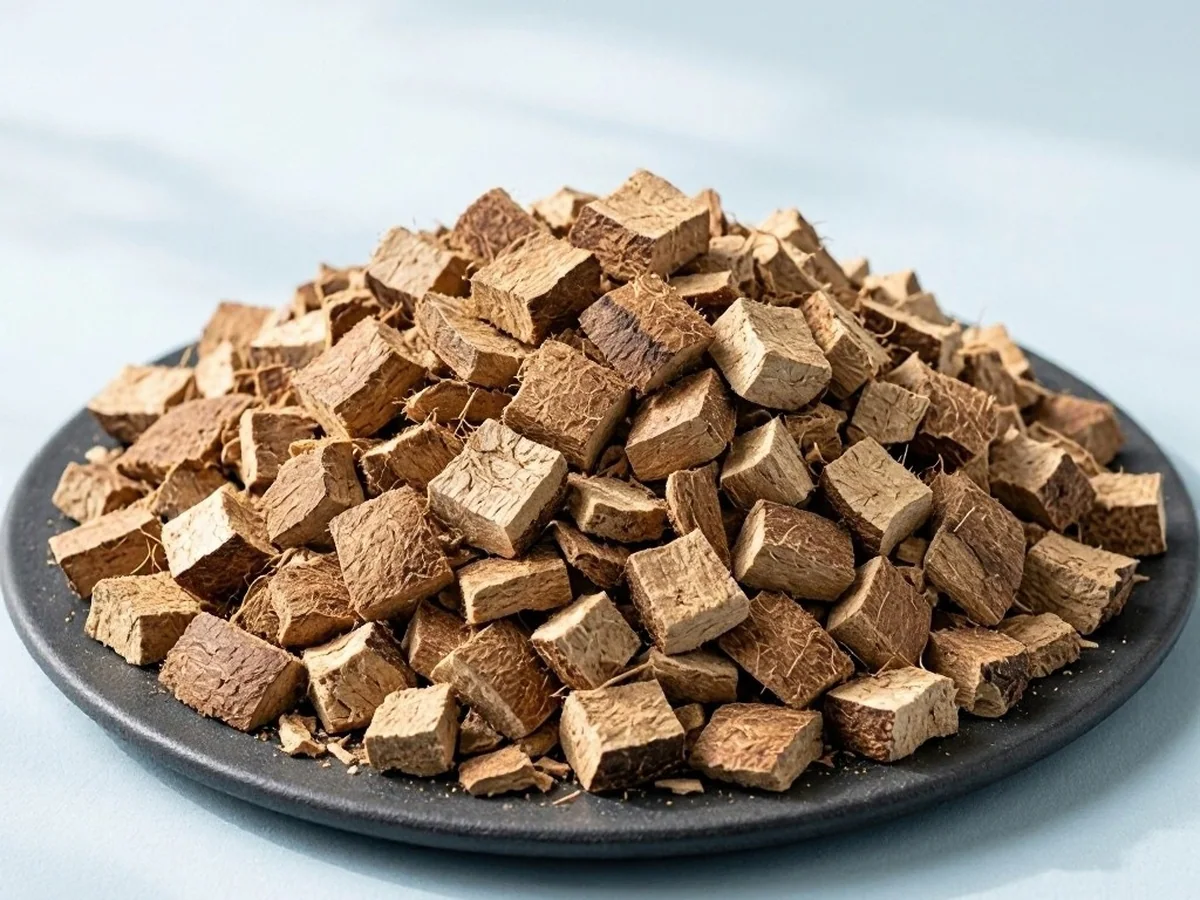
Coco Chips
Chip size uniformity and moisture decide it, because the chips are a mulch and a substrate at once.
Spec sheet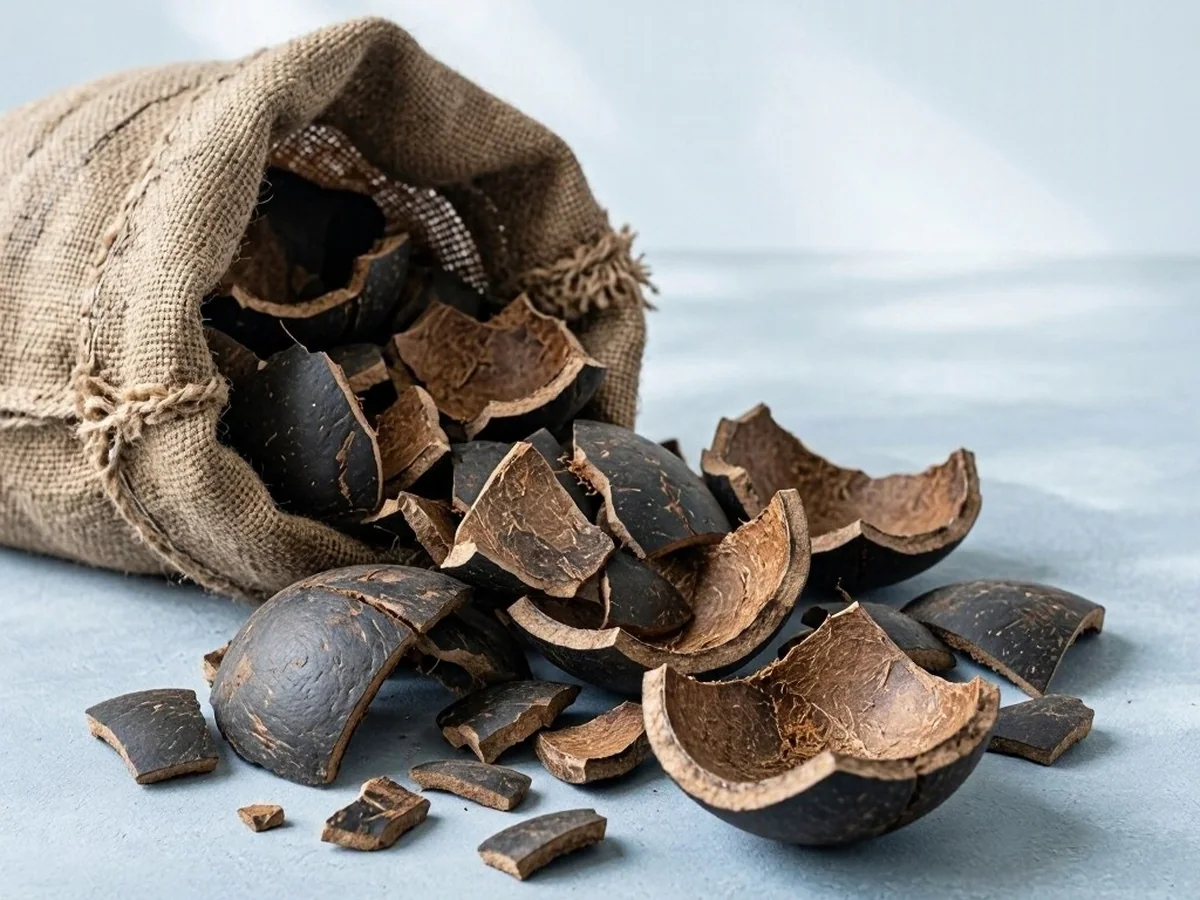
Dry Coconut Shell
Moisture and cleanliness decide it; the shell is bought by weight to be carbonised somewhere else.
Spec sheetTell us the crop and the EC ceiling
Those two answers decide the grade, the washing level and the format. Without them we would be quoting a commodity rather than a substrate.