Loading ports, container weights and terms of sale
Charcoal is limited by weight. Cocopeat, fibre and chips are limited by volume. That single difference explains why a per-tonne price comparison between two coconut products is usually meaningless.
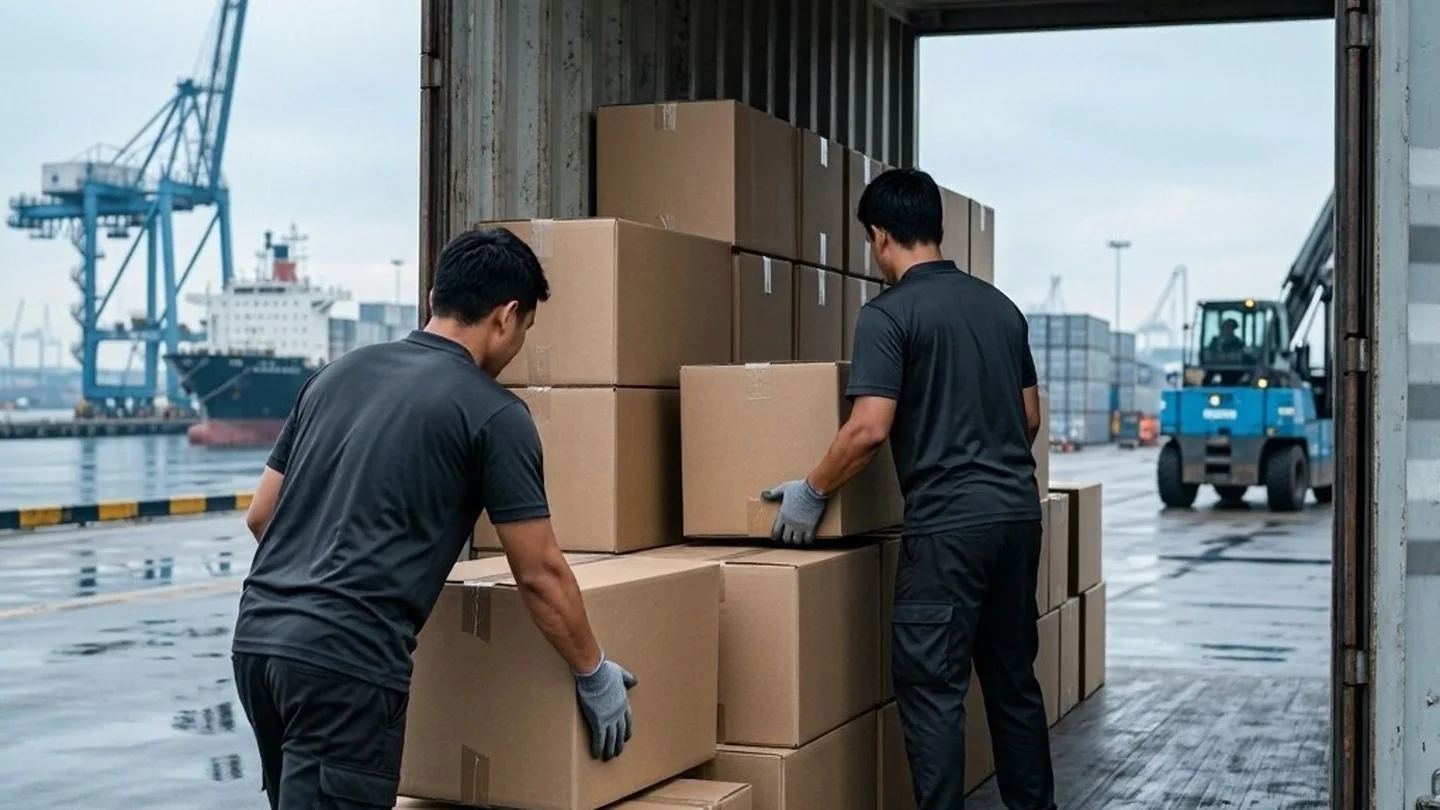
Surabaya
Main loading port for charcoal and cocopeat. Most of our charcoal moves from here.
Jakarta
Used when the mill sits in West Java or when a buyer's forwarder consolidates here.
Belawan
Used for Sumatran supply, mainly shell and fibre.
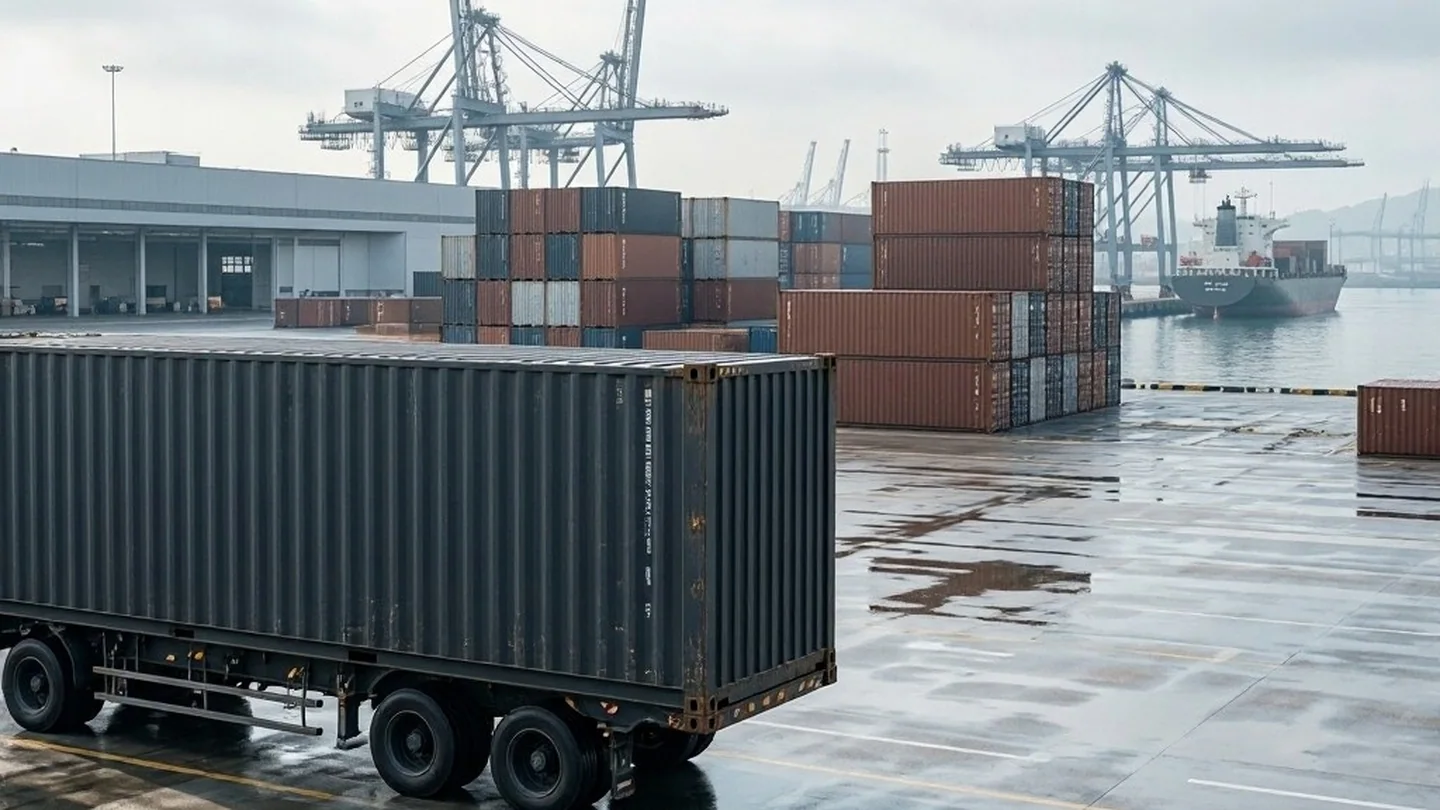
What fits, where the data exists
| Product | 20ft FCL | 40ft HC |
|---|---|---|
| Lump charcoal | 18 MT | — |
| Shisha briquette | 17 MT | 25 MT |
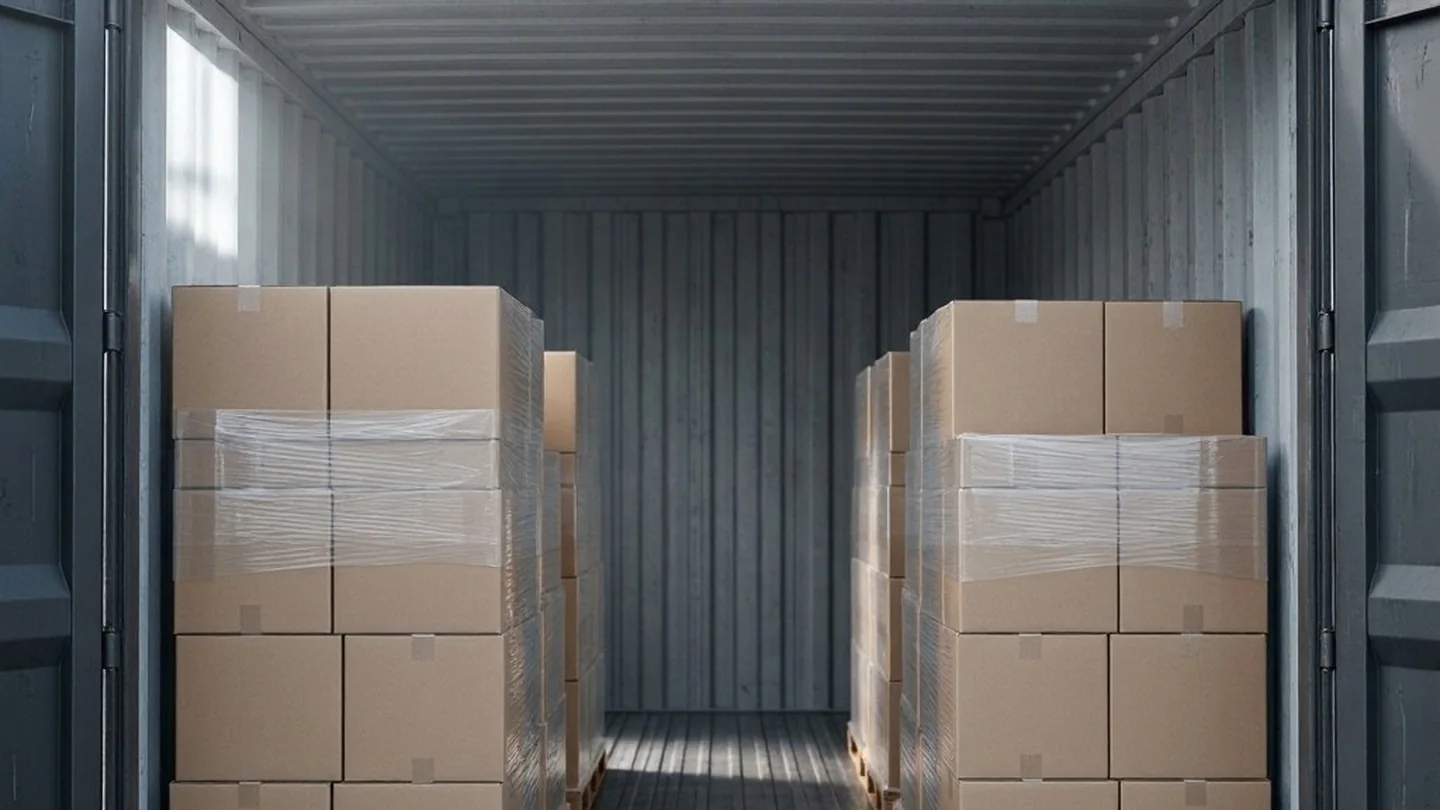
Only confirmed figures are listed. Other lines are quoted per order, because loading depends on packaging and on whether the container is mixed. A dash means the figure is not confirmed, not that the container cannot be loaded.
FOB
Free On BoardWe deliver to the vessel at the loading port and cover export clearance. Freight, insurance and import clearance are yours. This is the default on most charcoal offers because it lets you use your own forwarder.
CIF
Cost, Insurance and FreightWe cover freight and insurance to your port, ICC C at 110% of invoice value. Convenient for a first shipment when you have no forwarder yet. Compare the freight component against your own rate before assuming it is cheaper.
Charcoal is a dangerous good
Coconut shell charcoal is classified UN 1361, Class 4.2 — substances liable to spontaneous combustion. Three things follow. The booking needs a Dangerous Goods Declaration and an MSDS. Some lines also require a self-heating test before they accept the cargo. And a container that arrives at the terminal without the paperwork is turned away, which is a more expensive outcome than producing it.
Cocopeat, fibre and food products are not dangerous goods and move as general cargo.