Coconut Shell Charcoal
Lump charcoal from coconut shell, 15% moisture as received and 3% on dry basis. Minimum 18 MT per 20ft from Surabaya.
| Moisture (KA) | 15 % |
|---|---|
| Moisture (KD) | 3 % |
Shapes and sizes
| Shape | Size |
|---|---|
| Lump / broken | ungraded |
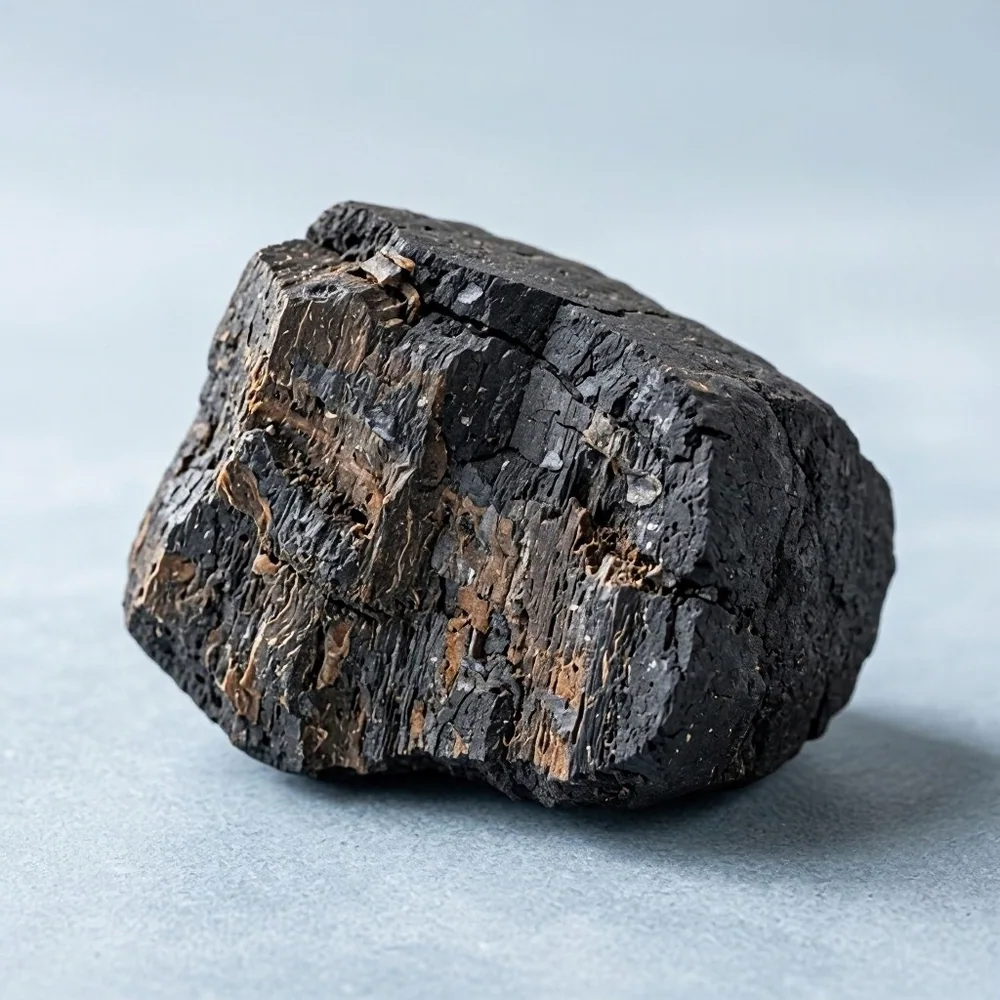
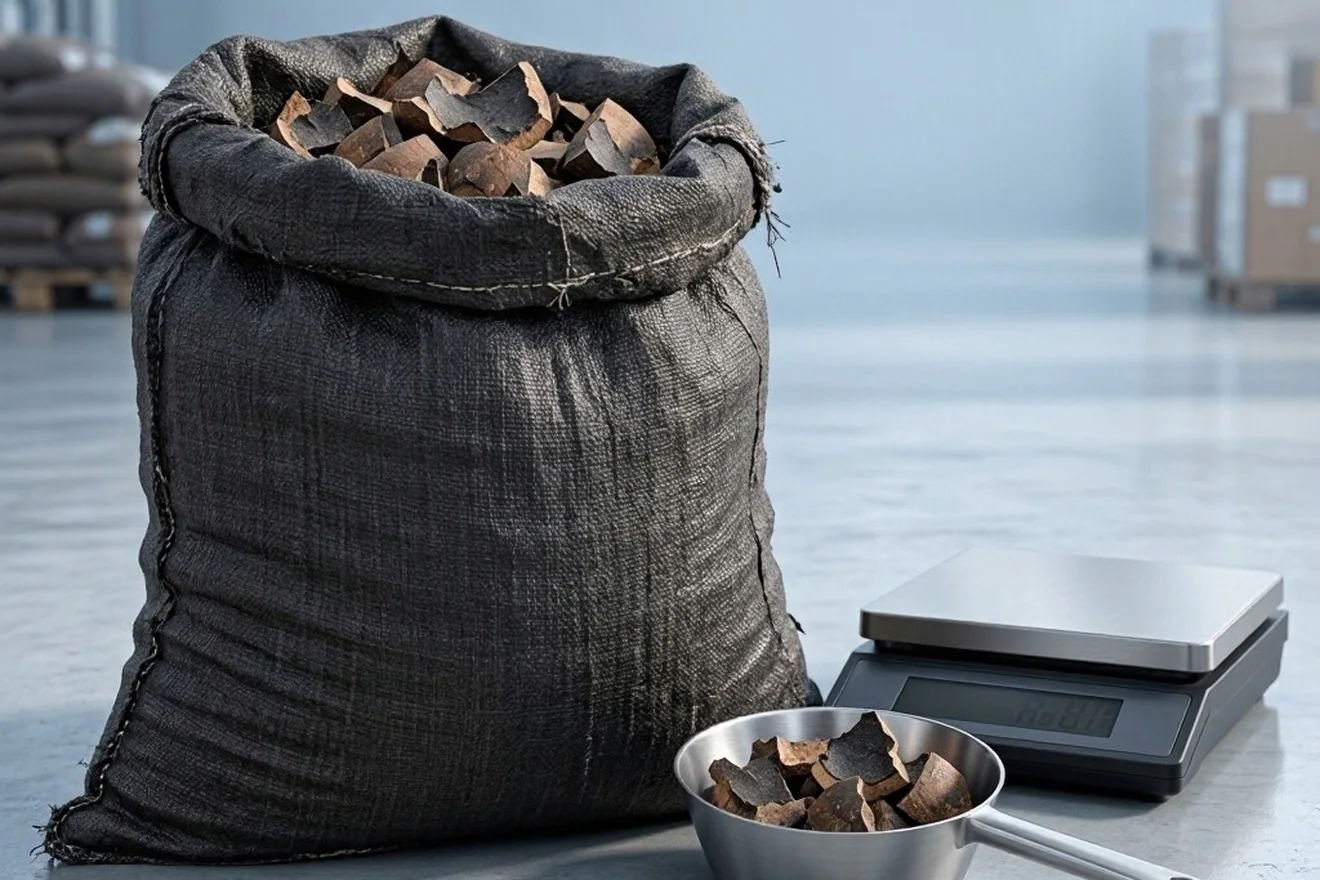
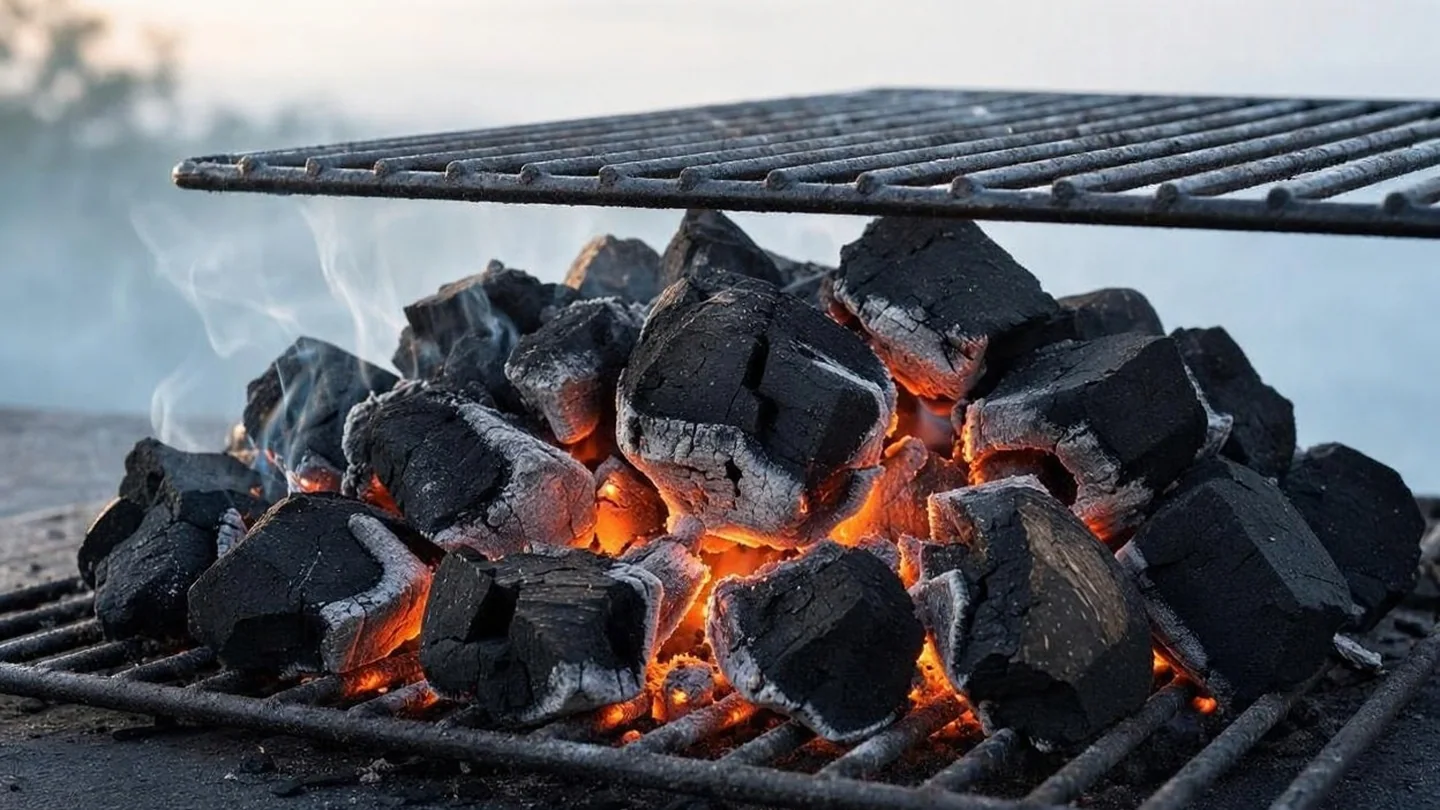
Coconut shell charcoal in lump form, loading from Surabaya at a minimum of 18 MT per 20ft container. Packed in plain woven sacks with a plastic inner liner, which is the format most mills and repackers ask for.
This is the product that brings the most enquiries to our desk, and the one we are most careful about. Two numbers are missing from the table above — ash and fixed carbon — because the supplier document behind this page is still marked draft. We would rather show you a short table than a complete one we cannot defend.
What the current offer does say
Moisture is 15% as received and 3% on a dry basis. Those are two separate measurements of the same material: KA is what the charcoal carries when it is weighed at the port, KD is what remains after the water is driven off. They are not a range, and a supplier who quotes "3–15%" has misunderstood their own test report.
Packaging is a plain woven sack with a plastic inner liner. Order quantity is a minimum of one 20ft container, FOB Surabaya.
Why we have not filled in the rest
Ash content and fixed carbon are the two figures every charcoal buyer asks for first. We do not have them in a final document, so they are absent from the table. Filling them with an industry average would be easy and would be wrong: coconut shell charcoal ash varies between roughly 1.8% and 4.2% depending on the batch and the carbonisation method, and your laboratory will find out which one you received.
If you need the complete specification before you can decide, tell us and we will push the supplier for a current COA. That is a faster route than waiting for this page to change.
Shipment and documents
Eight documents are issued per shipment: commercial invoice, packing list, certificate of origin, bill of lading, fumigation certificate, Dangerous Goods Declaration, MSDS and COA. There is no insurance certificate on FOB terms — if you need CIF, we quote it separately and the insurance comes with it.
Charcoal moves as UN 1361, Class 4.2. Some shipping lines also ask for a self-heating test certificate before they accept the booking, and we arrange it when the route requires one.
Hookah and shisha
Ungraded lump is the traditional format for markets that break and size the charcoal themselves.
Briquetting feedstock
Sold to producers who grind and re-press it, where moisture is the parameter that matters most.
Industrial fuel
Boilers and kilns that buy on moisture and calorific value rather than shape.
Activated carbon feedstock
Coconut shell char is a standard input for activated carbon production.
Plain woven sack with plastic inner liner
Loading from Surabaya, FOB.
| Container | Loading |
|---|---|
| 20ft FCL | 18 MT |
Issued per shipment. Sample COA available on request.
What does KA and KD mean on the specification?
Is the lump graded by size?
Why is the full specification not listed here?
How much fits in a container?
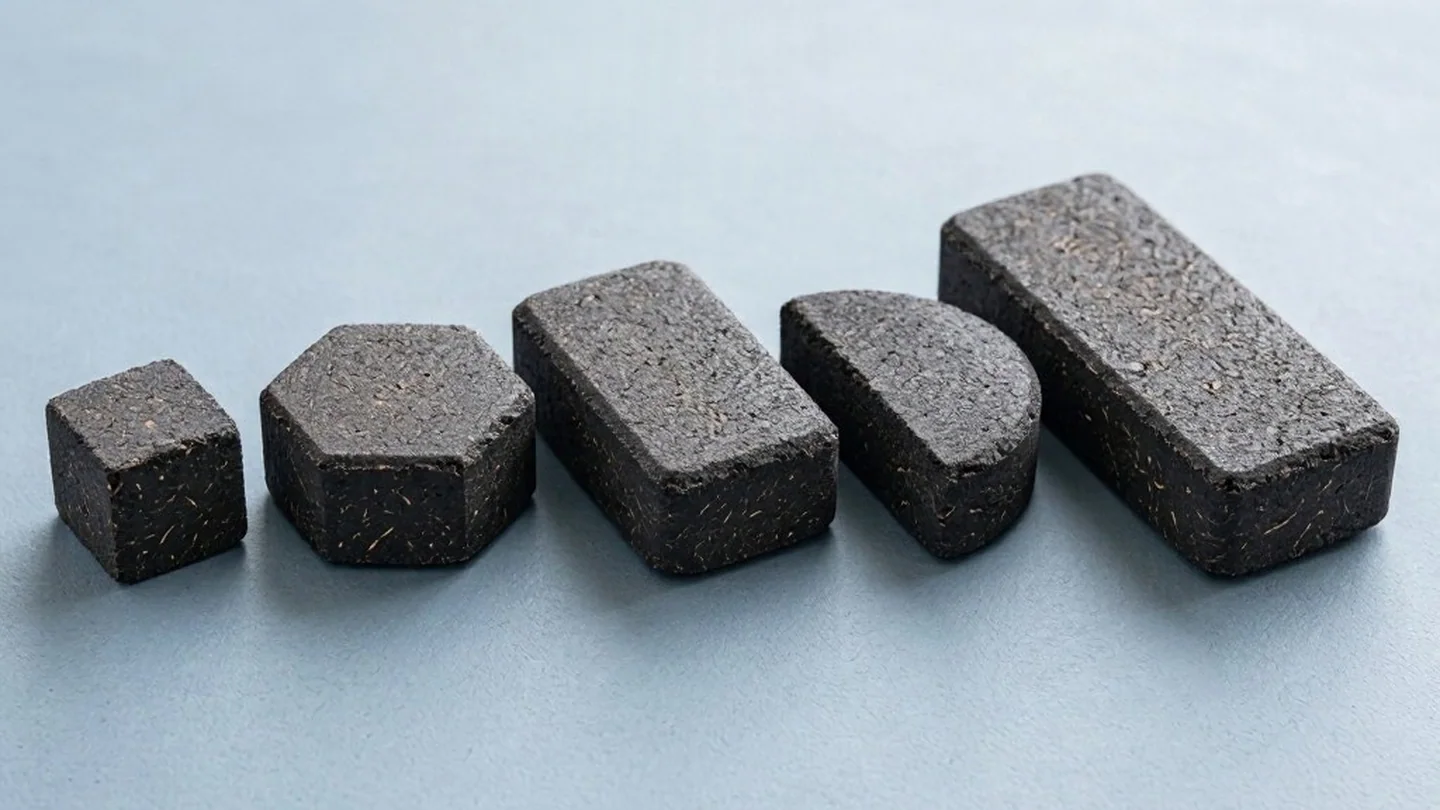
Coconut Shell Charcoal Briquette — Shisha
Ash colour, drop test and burning time decide it, the three things a distributor checks in a sample box.
Spec sheet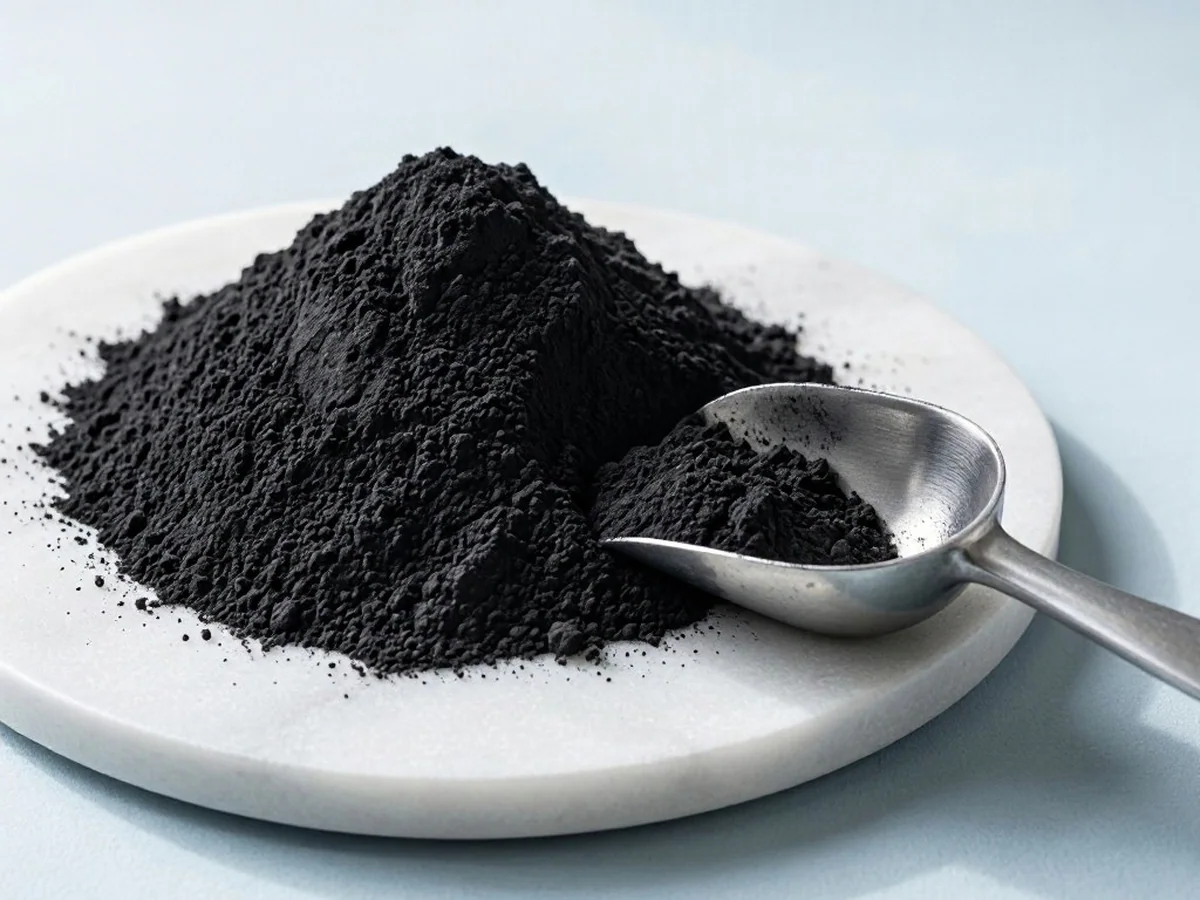
Coconut Shell Charcoal Powder
Mesh size and ash decide it, because the powder is bought to be mixed rather than burned whole.
Spec sheet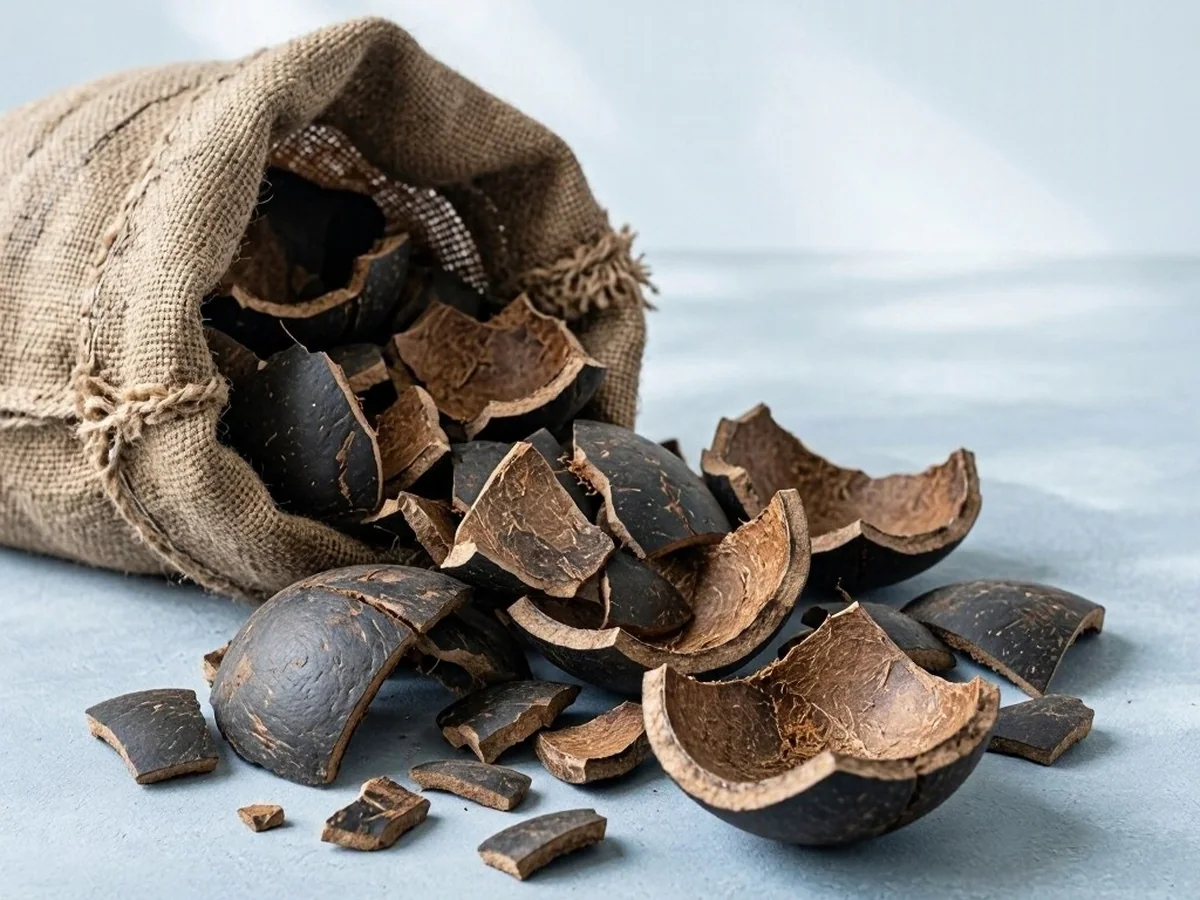
Dry Coconut Shell
Moisture and cleanliness decide it; the shell is bought by weight to be carbonised somewhere else.
Spec sheetTell us your spec and volume
Send the grade, the quantity and the destination port. We reply with an FOB quote and the current COA.