Coconut shell charcoal price per ton: what actually moves the number
Five factors decide the number, and four of them are on the specification sheet. A guide to reading a charcoal quote without being misled by the headline price.
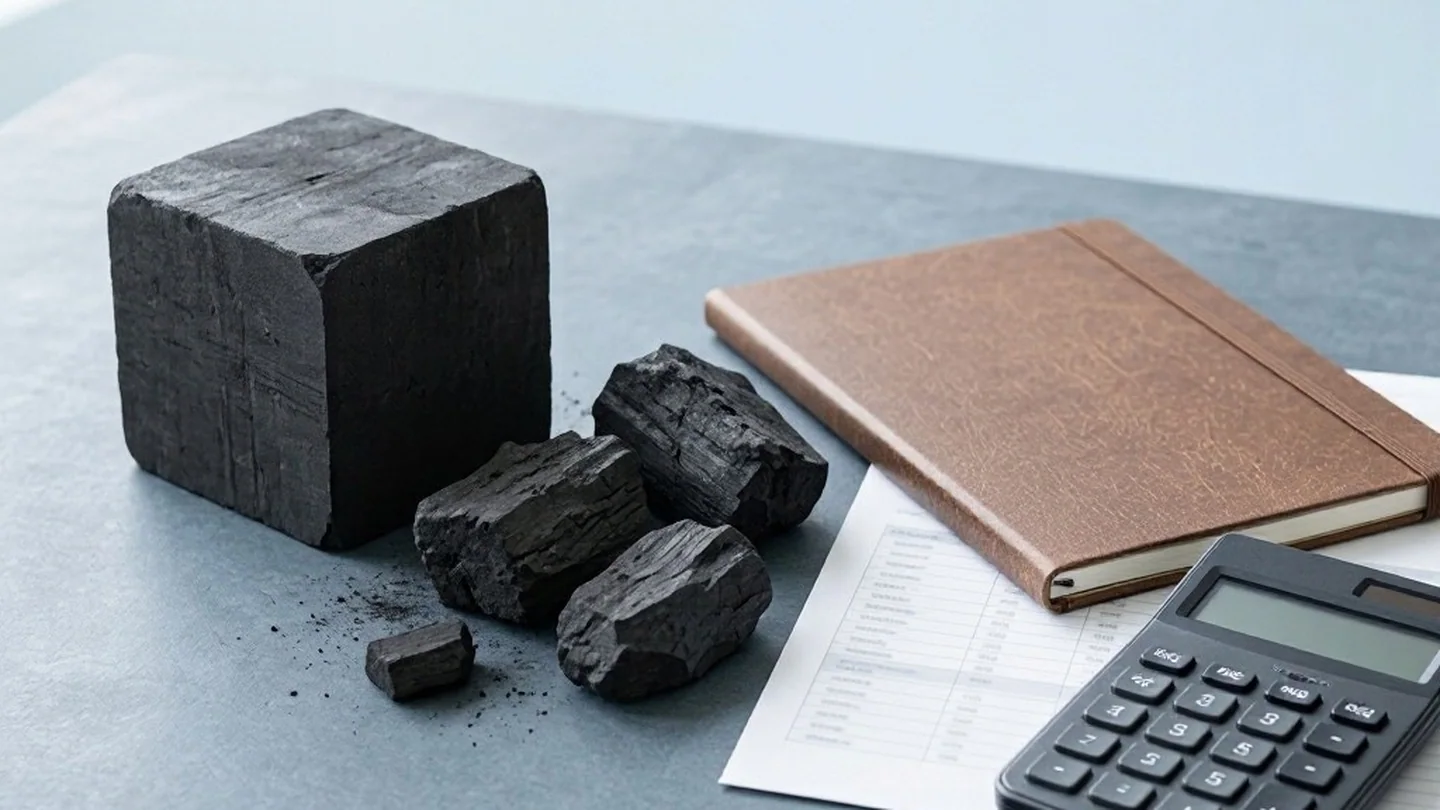
A ton of coconut shell charcoal does not have a price. It has a price at a specification, at a volume, at a port, on a date. Change any one of those four and the number changes, which is why two quotes that look comparable usually are not.
We do not publish a standing price range on this page. A range without a date and without a specification attached is a rumour with a currency symbol in front of it, and buyers who plan around it end up negotiating against a figure nobody can honour.
What a ton is actually made of
Four numbers on the specification sheet account for most of the difference between a cheap offer and an expensive one:
| Parameter | Typical effect on price | Why |
|---|---|---|
| Ash content | Lower ash costs more | Less non-combustible material means more usable carbon per ton |
| Fixed carbon | Higher costs more | It is the part that actually burns |
| Moisture | Lower costs more | Water is sold by weight and does not burn |
| Sulphur | Lower costs more | Cleaner smoke and whiter ash |
A cheaper offer almost always moves one of these four, not the cost of labour. When a supplier undercuts the market by a wide margin, the useful question is not "how", it is "which of the four moved".
Five factors that move the number
Harvest season. Coconut shell supply follows the harvest, and shell competes with copra and fresh coconut for the same nut. In a short month, mills pay more for raw shell and the finished price follows.
Moisture at loading. Charcoal is sold by weight. A lot at 15% moisture contains materially less carbon per ton than one at 6%, even though the invoice looks similar. This is the single most common way a cheap price turns out to be expensive.
Ash and fixed carbon. The two figures a buyer should compare first. A briquette at ash max 2.5% and fixed carbon min 76% is a different product from one at ash 4%, and the price gap reflects that rather than a supplier's generosity.
Packaging. Bulk woven sacks, 1 kg retail boxes and 10 kg cartons cost very different amounts to fill and handle. A retail-ready pack can add more to the landed cost than the charcoal itself.
Volume and freight. One 20ft container is a different commercial conversation from ten. Freight is quoted at booking, and surcharges move. Any price that does not state its Incoterm is not a price, it is a starting position.
Why we will not print a range
Three reasons, and they are the same three that apply to every other number on this site.
The range would be out of date within a month. Charcoal is a commodity with a seasonal raw material, and a page that says "USD X to Y per ton" is wrong for most of the year.
The range would hide the specification. A price band that averages lump charcoal and retail briquettes describes neither.
The range would become a negotiating anchor we cannot defend. If we print a figure, a buyer is entitled to hold us to it. We would rather send a live quote against your specification.
How to compare two offers properly
Ask each supplier for the same five things, in writing:
- Moisture, ash, fixed carbon and volatile matter, with the test method named
- The Incoterm and the port
- The loading weight per container, not the container size
- Packaging format and whether it is included
- The date the offer is valid until
A supplier who answers all five is quoting. A supplier who answers two is guessing, and the guess will be discovered at the destination laboratory.
If you want the sixth data point that separates a real exporter from a reseller, ask for a sample COA from a batch that actually shipped. That is harder to produce than a price.
The comparison that matters
Price per ton is a useful number only after moisture and ash are fixed. Until then, a low price per ton can mean a high price per ton of carbon.
Our own specification pages state the tested values and the method behind them, so a quote can be checked against the page rather than against a promise. Start with coconut shell charcoal for the lump grade, or the shisha briquette if you need a pressed product with a full test report.
Once the specification is settled, the next question is usually how much fits in a container. That is answered in how many tons of charcoal fit in a 20ft container.
Hookah charcoal wholesale: what US distributors check before a container
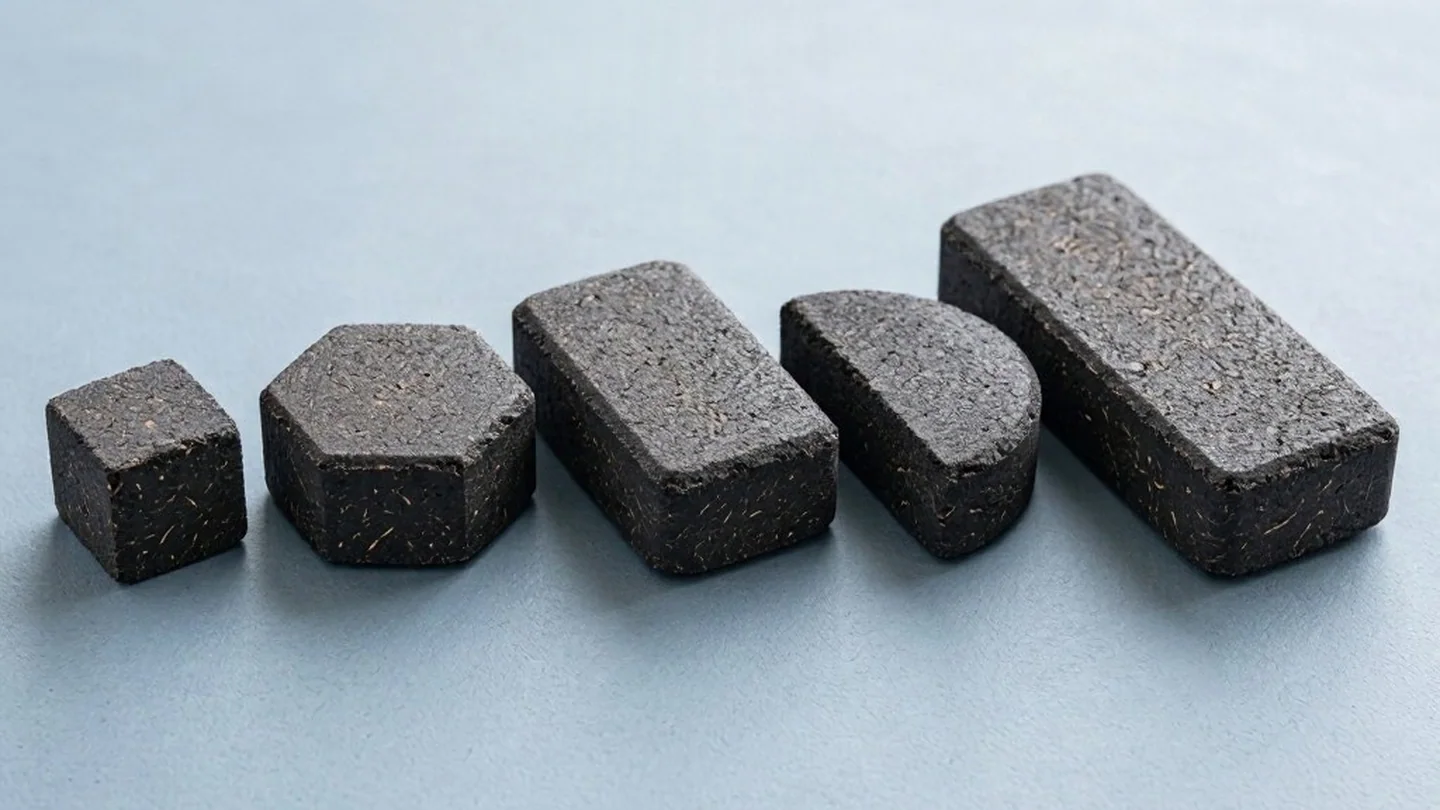
American buyers search "hookah", not "shisha". Here are the four checks that decide a repeat order, the five shapes we can mould, and how many tonnes fit in one container.